Termite Tenting in Wilmington, NC
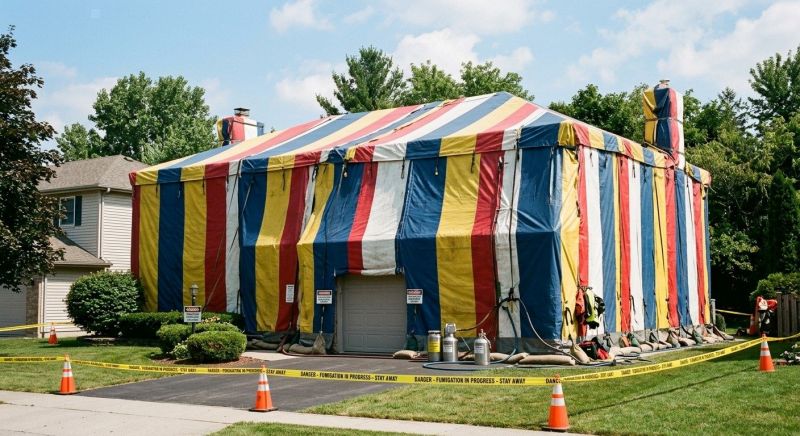
Termite tenting services involve the use of specialized gas treatments to eliminate termite colonies within a property. This process typically covers entire homes or structures with significant infestations, providing a comprehensive solution to eradicate termites and prevent future damage. Property owners considering this service often want to understand the scope of the treatment, including how the tenting is set up, the safety precautions involved, and the necessary preparation steps before the process begins.
Before requesting termite tenting, homeowners usually seek information about the duration of the treatment, any necessary evacuation of the property, and the effects on belongings inside the home. It is also common to inquire about post-treatment safety guidelines and the importance of a follow-up inspection to ensure the pests have been fully eliminated. Clear communication about these aspects can help property owners make informed decisions and prepare appropriately for the treatment process.
Many property owners in Wilmington, NC look into Termite Tenting for repairs, replacements, upgrades, and appearance-related improvements.
Effective Termite Control
Termite tenting provides a thorough solution for eliminating infestations in residential and commercial properties.
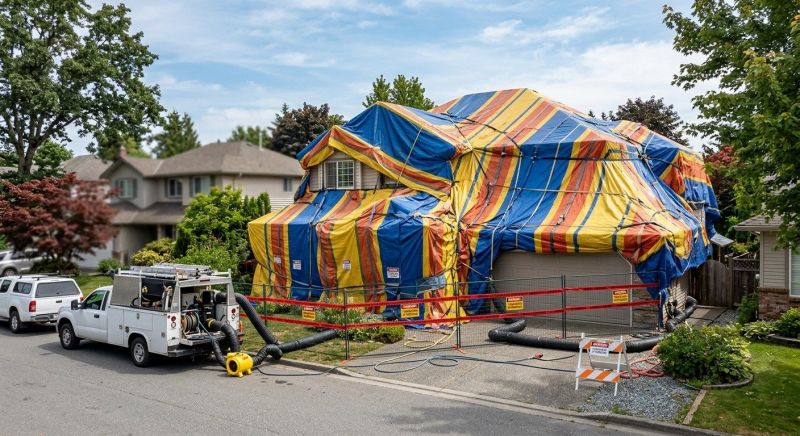
Safe And Reliable Service
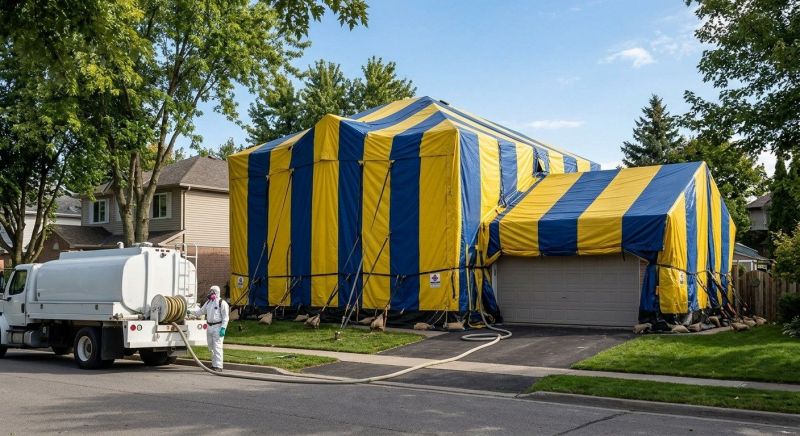
The process involves sealing the property and using specialized treatments to protect your home from future termite damage.
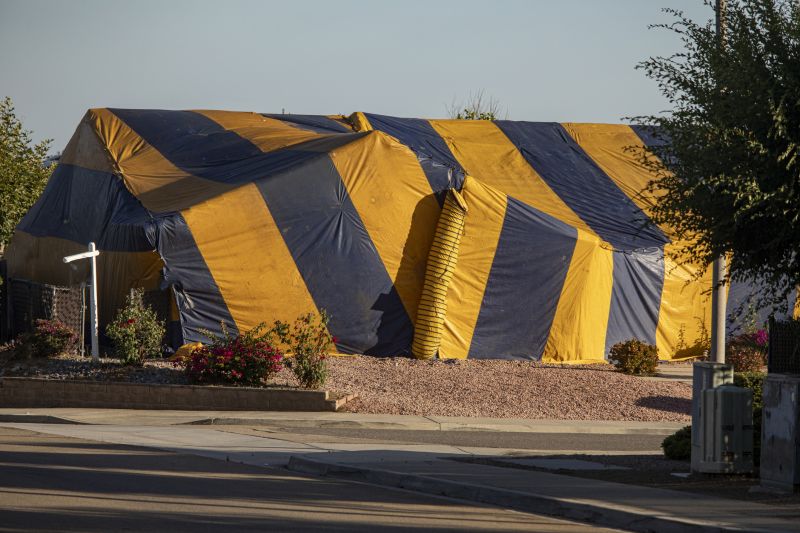
Preparedness For Property Owners
Property owners should ensure proper evacuation and follow safety guidelines to maintain a secure environment during treatment.
Termite Tenting in Wilmington, NC

Termite tenting services involve the use of specialized gas treatments to eliminate termite colonies within a property. This process typically covers entire homes or structures with significant infestations, providing a comprehensive solution to eradicate termites and prevent future damage. Property owners considering this service often want to understand the scope of the treatment, including how the tenting is set up, the safety precautions involved, and the necessary preparation steps before the process begins.
Before requesting termite tenting, homeowners usually seek information about the duration of the treatment, any necessary evacuation of the property, and the effects on belongings inside the home. It is also common to inquire about post-treatment safety guidelines and the importance of a follow-up inspection to ensure the pests have been fully eliminated. Clear communication about these aspects can help property owners make informed decisions and prepare appropriately for the treatment process.
Many property owners in Wilmington, NC look into Termite Tenting for repairs, replacements, upgrades, and appearance-related improvements.
Common Termite Tenting Jobs
Termite Tenting - a process to eliminate termites through a controlled gas treatment.
Infestation Treatment - effective for severe termite colonies within homes and structures.
Pre-Construction Tenting - used to protect new buildings from termite damage during construction.
Existing Structure Protection - safeguards homes and properties that have ongoing termite issues.
Re-Infestation Prevention - helps reduce the risk of future termite invasions after treatment.
Property Inspection - essential to identify termite activity before and after tenting services.

Termite Tenting Questions
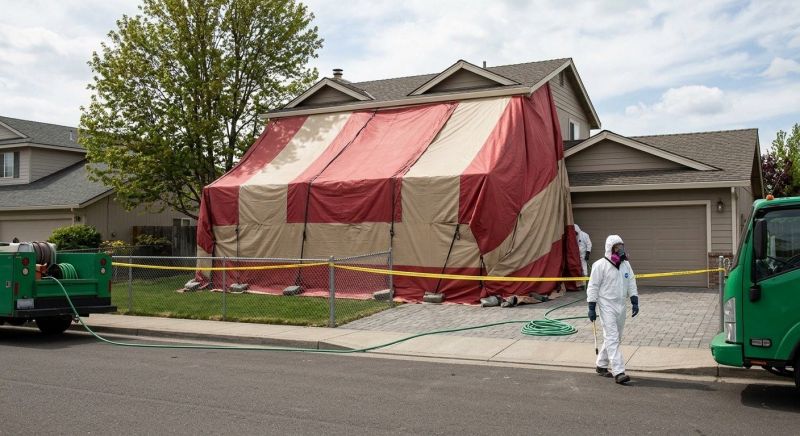
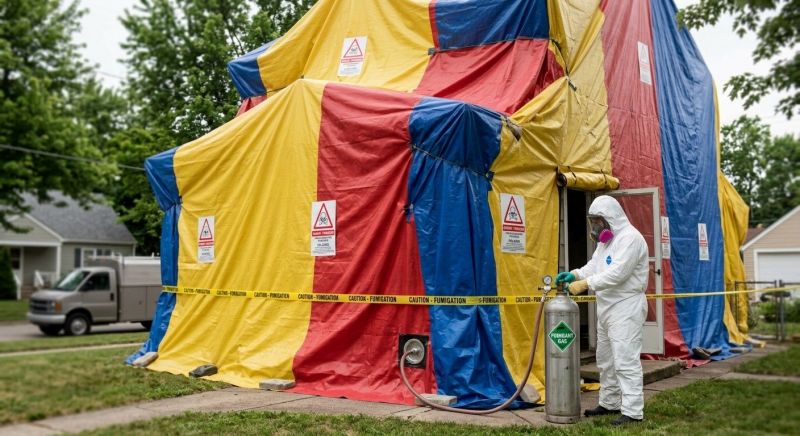
What is termite tenting? Termite tenting involves covering a property with a special tarp and releasing gas to eliminate termites inside the structure.
When is tenting recommended? Tenting is often used when termite infestations are widespread throughout a building or home.
Is the property safe after tenting? After proper aeration, the property is safe for occupancy, and no residual chemicals remain.
What types of properties can be tented? Both residential homes and commercial buildings can undergo termite tenting to address infestations.
Request Termite Tenting in Wilmington, NC
Use the quote form on this page to share the basics of your project and request more information for the type of work you need.